
What Kind of Team Are You Building: Spain or Argentina?
As I’ve been managing my own World Cup withdrawal, I’ve been thinking about the final. Two excellent teams - and they could not be more different.
Spain is a system. Their players learned the same possession-first style from childhood — in schools, in academies, across every level of the federation. The coach came up through the development pipeline and taught these players as teenagers. Spain shut out the French team stacked with superstars using strong repetition. Process over brilliance.
Argentina is a solar system. Everything from the formation, the game plan, to the emotional energy of an entire nation is designed to put the ball at Lionel Messi's feet. It works. He's nearly 40 and he's still the engine. But notice how they won throughout the tournament: down to the wire, again and again, rescued by genius. When he plays well, they're untouchable. The whole model rests on one person delivering.
Consider your own team. Which one are you building?
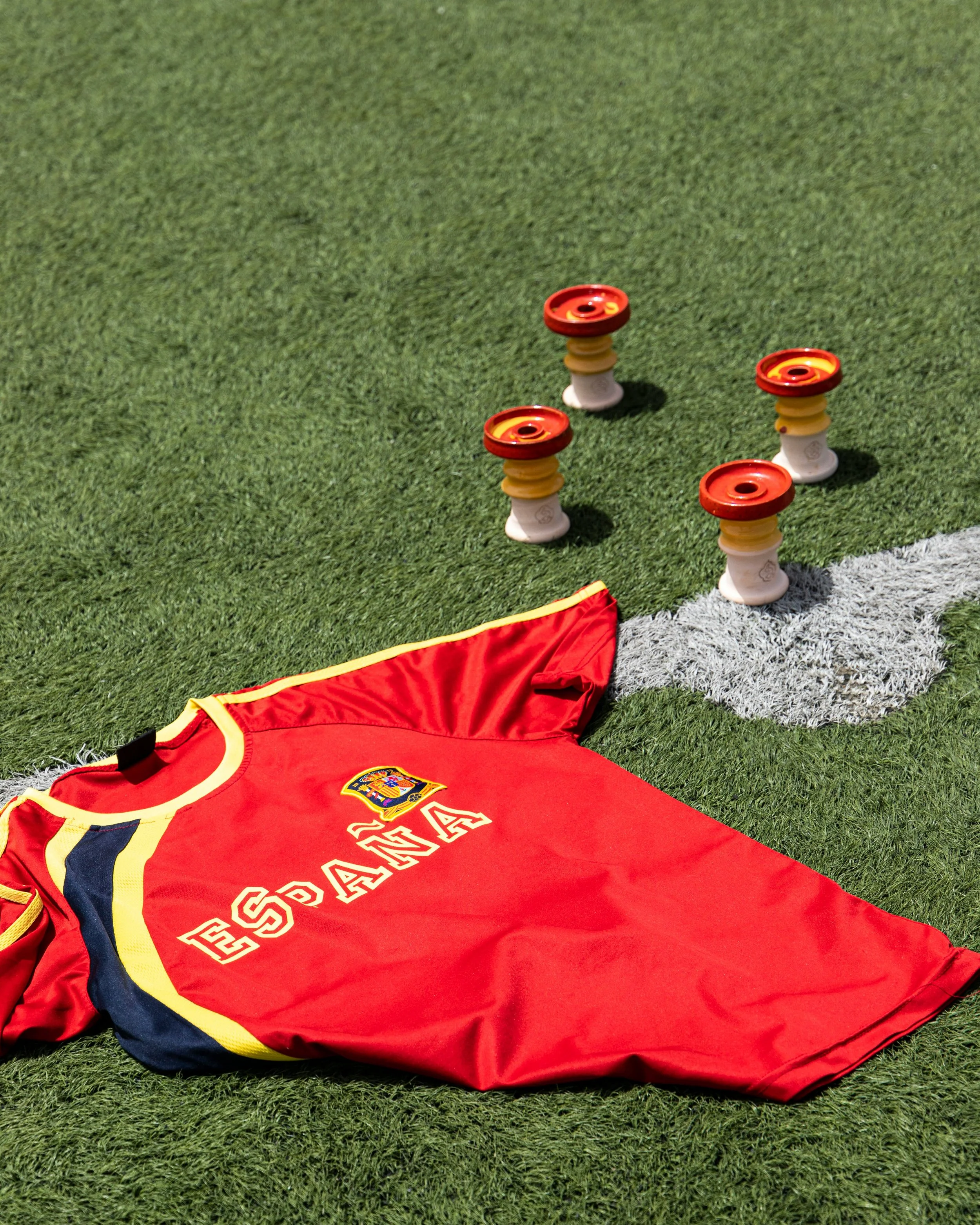
The Spain model: built on process
The Spain model is slower to build and less thrilling to watch. It requires teaching the same skills, the same way, to everyone — and trusting the system even when a shortcut is available.
The pros: Resilience. Shared language. Anyone can step in, because everyone was developed. The team doesn't panic, because the process doesn't depend on any one player's mood or availability.
The costs: Process-heavy teams can be slow… and boring.
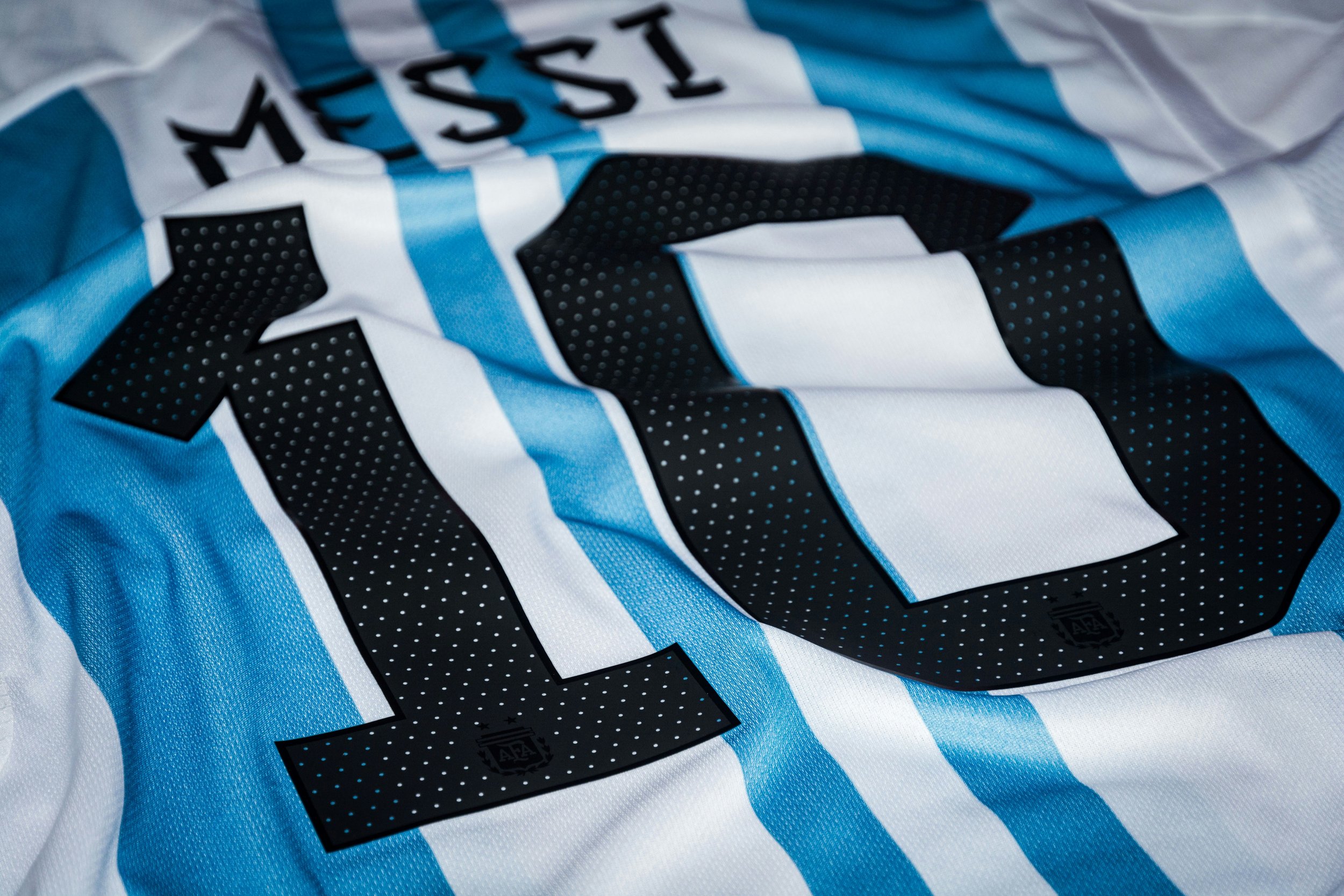
The Argentina model: built around a star
Most leaders don't choose this model. They inherit it, or they drift into it. One exceptional performer starts absorbing the hardest work, the biggest clients, the decisions no one else can make. It feels efficient. It usually is — for a while.
The pros: Speed. Excellence. In a crisis, you know exactly who takes the shot.
The costs: Every decision boomerangs back to one person. The rest of the team learns to defer. And your entire operation carries a single point of failure. If your star leaves, burns out, or has an off quarter, there is no system to catch the fall.
Here's the question that reveals whether you're running an Argentina team: If your best person took a month off tomorrow, what would break?
If the answer is "almost everything," you don't have a team. You have a dependency.
It’s worth noting that Spain didn't eliminate talent. Their most electrifying player is a 19-year-old phenom, Lamine Yamal. The difference is that he operates inside the system — he does the work, runs the process, and adds brilliance on top of it.
Spain is a team where stars make the system better, and the system makes everyone a little more like a star.
Argentina's model requires a Messi. There's only ever been one.

The habits that build a Spain team
If you are interested in building a process driven team - here are a few ideas to start:
1. Delegate ownership, not tasks. Assigning work while keeping every decision creates boomerang delegation — everything comes back to you for approval. True delegation transfers the decision rights along with the work. That's how a second capable person gets built.
2. Make the standard visible. Your star carries the standard in their head. A system puts it where everyone can see it — exemplars, templates, defined success criteria set before work begins. If quality lives in one person's judgment, it leaves when they do.
3. Build peer accountability. Patrick Lencioni's research on team dysfunction points to a telling pattern: on star-driven teams, accountability flows through the star or the leader. On balanced teams, peers hold each other to the standard — because everyone knows what the standard is.
Questions to ask this week
Do I have a "Messi" on my team — have I stopped teaching everyone else because they exist?
Does my team share a common playbook for how work gets scoped, prioritized, and reviewed — or does each person freelance?
When my star performer wins, does the team learn anything? Or just applaud?
